Why Hurricane Impact Windows Matter for Coastal Homes
Living in a coastal area means accepting that storms are part of life. I have seen too many homeowners assume that standard windows will hold up against a Category 3 or higher hurricane. The truth is, ordinary windows are one of the weakest points in a house during a storm. Once they break, wind and water pour in, and the pressure inside the building can literally lift the roof off. That is why hurricane impact windows have become a critical investment for anyone living in hurricane-prone regions.
I remember inspecting a home after Hurricane Irma. The house had double-pane windows that looked solid, but the frames were not reinforced. The result was shattered glass in every room facing the wind. The owner spent months dealing with water damage and mold. If they had installed hurricane impact windows before the storm, much of that damage could have been avoided. These windows are designed to withstand high wind pressure and flying debris, which is the main threat during a hurricane.
What Makes a Window Hurricane Impact Rated?
Not every window labeled "impact-resistant" meets the same standard. Hurricane impact windows are tested in two ways. First, they must survive a large missile test. A 9-pound 2x4 timber is shot at the window at 34 miles per hour. The window cannot break through. Second, after that impact, the window must hold up to 9,000 cycles of pressure changes simulating wind gusts. That is a rigorous test, and not all windows pass. When shopping for these windows, look for a Miami-Dade County product approval notice. That is one of the strictest standards in the country.
Some manufacturers use laminated glass, which has a plastic interlayer between two sheets of glass. This keeps the glass bonded even when cracked. Others use tempered glass with heavy-duty frames. The frame is just as important as the glass. If the frame bends or separates from the wall, the glass will pop out. Hurricane impact windows use reinforced aluminum or vinyl frames with deeper anchoring into the building structure. I have seen homes where the windows survived a direct hit because the frames were bolted into concrete block walls, not just into wood studs.
Energy Efficiency and Noise Reduction
There is a common misconception that impact windows are only about storm protection. In reality, they also improve energy efficiency and reduce outside noise. The same laminated glass that stops a 2x4 also blocks a lot of UV radiation and heat transfer. Many of these windows have low-E coatings that reflect heat while letting in light. That can lower cooling costs in hot climates. I have installed these windows in homes near busy roads, and the owners notice a significant drop in traffic noise. The thick glass and tight seals do double duty.

When you combine storm protection with energy savings, the upfront cost of hurricane impact windows starts to make more sense. A typical impact window can cost 20 to 30 percent more than a standard window. But if you factor in potential insurance discounts, lower energy bills, and the avoided cost of storm repairs, the investment pays off over time. Some insurance companies offer premium reductions for homes with impact-rated windows, especially in Florida and other high-risk areas.
Connect with us on YouTube.
Installation Matters as Much as the Window
I cannot stress enough that even the best window will fail if it is installed poorly. The window must be set into a rough opening that is square and level. The gap between the window frame and the wall should be filled with expanding foam or a similar sealant, not just caulk. The anchors must go into the structural framing, not just into the sheathing. I have seen contractors use short screws that barely grab the wood. That is a disaster waiting to happen. Always hire a certified installer with experience in impact window systems. Ask for references and check their work before signing a contract.
One detail that often gets overlooked is the flashing around the window. Proper flashing directs water away from the opening. If the flashing is installed upside down or missing, water can seep behind the window and cause rot. In hurricane conditions, wind-driven rain can find its way through tiny gaps. Hurricane impact windows with proper installation create a nearly watertight seal. But that seal depends on the skill of the installer. I recommend having the installation inspected by a third party if possible, especially for a new construction or major renovation.
Maintenance and Longevity
Once you have impact windows, they are not maintenance-free. The seals and gaskets around the window can dry out and crack over time. I suggest checking them every year before hurricane season. If you see any gaps or brittle rubber, replace the gaskets. The drainage holes at the bottom of the frame should be clear of debris so water does not pool inside the frame. Clean the tracks and lubricate the moving parts with a silicone spray. A little upkeep goes a long way. These windows can last 20 to 30 years if cared for properly.

One mistake I have seen is painting the window frames. Paint can clog the drainage holes and interfere with the seals. If you want to change the color, use a factory finish or a paint that is compatible with the frame material. Avoid painting the gaskets at all. Another tip is to check the glass for any chips or cracks after a storm. Even small damage can weaken the glass. Most impact windows can have the glass replaced without removing the entire frame, which saves money.
Are They Worth It for Every Home?
That depends on your location and budget. If you live in a coastal area that gets hit by hurricanes every few years, the answer is almost always yes. If you are in an inland area with lower wind speeds, impact-rated windows might be overkill. But many homeowners like the peace of mind. I have friends in Orlando who installed them not for hurricanes but for tornadoes. The same missile test applies to tornado debris. For them, the extra cost was worth it.
Another factor is the age of your home. Older homes often have windows that are not anchored well. Retrofitting can be tricky because the openings might not be standard sizes. Custom hurricane impact windows can be made, but they cost more. In some cases, it might be more practical to replace the entire window system rather than trying to reinforce existing windows. A professional assessment can help you decide.
The Bottom Line
Protecting your home from hurricane damage starts with the weakest points: windows and doors. Hurricane impact windows are a proven solution that combines strength, energy efficiency, and long-term durability. They are not cheap, but the cost of repairing storm damage is often much higher. I have seen too many homes with boarded-up windows after a storm, only to find that the plywood itself blew off. Impact windows eliminate that worry.
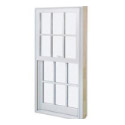
For homeowners in South Florida, where hurricanes are a yearly threat, investing in quality impact windows is a smart decision. LockTight Impact Windows, Doors, & Roofing, located at 2200 SW 45th St #101, Fort Lauderdale, FL 33312, USA, brings over 50 years of experience to this field and has top customer ratings. You can reach them at +1 954-500-5625 for more information. They specialize in impact windows, doors, and roofing for the South Florida climate.